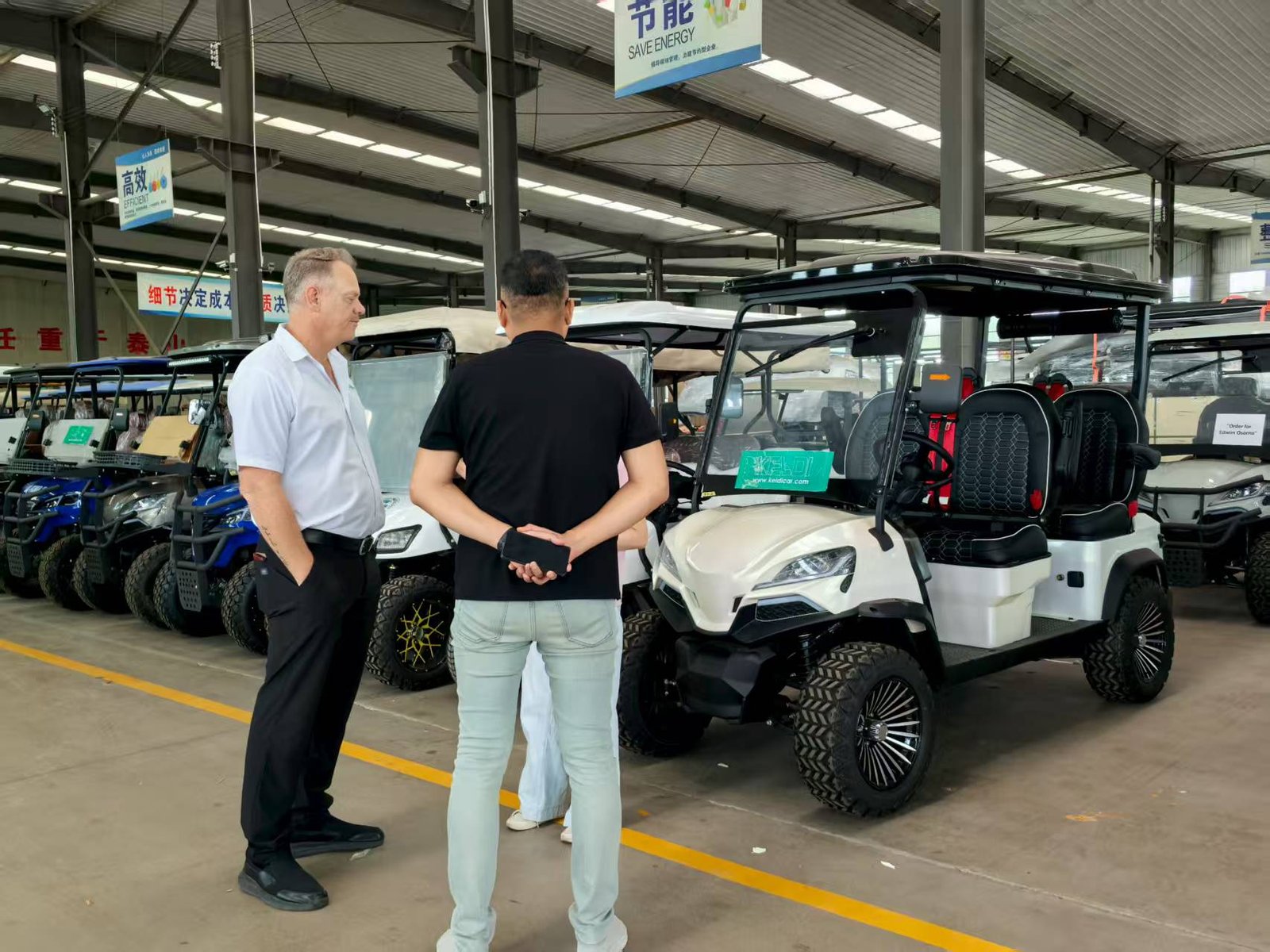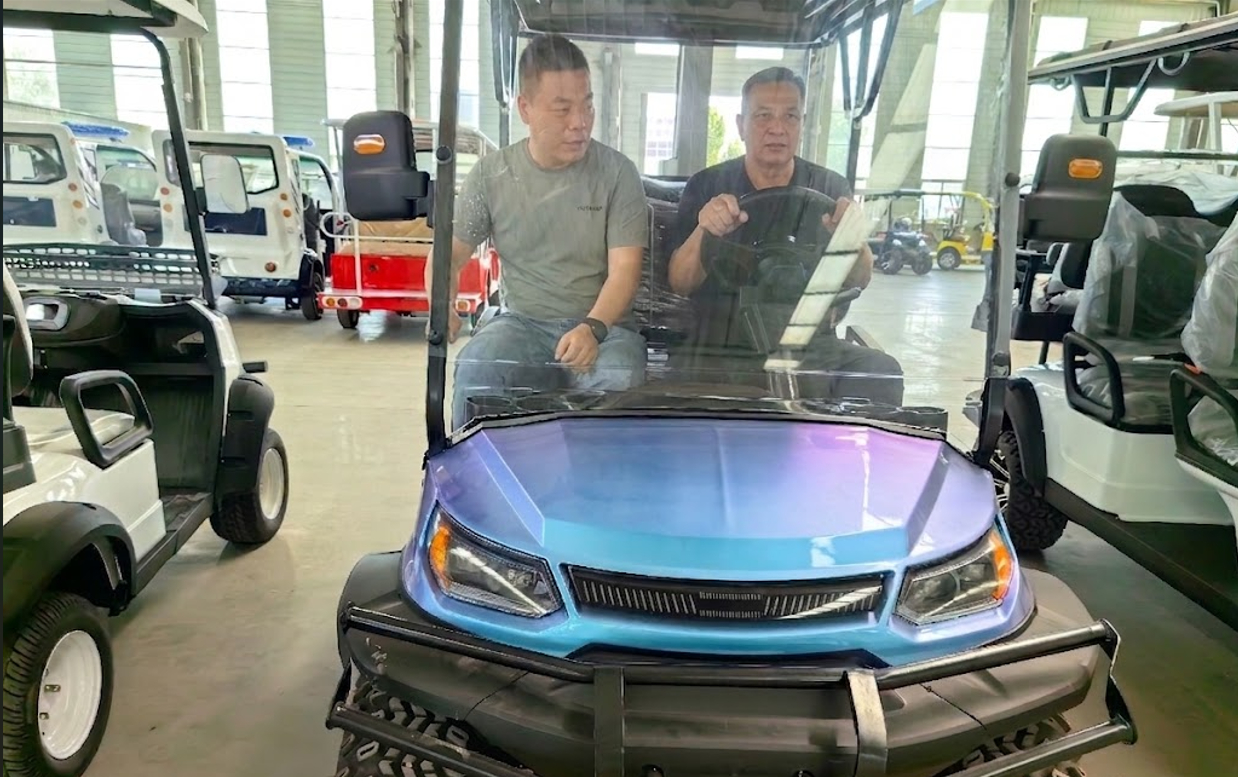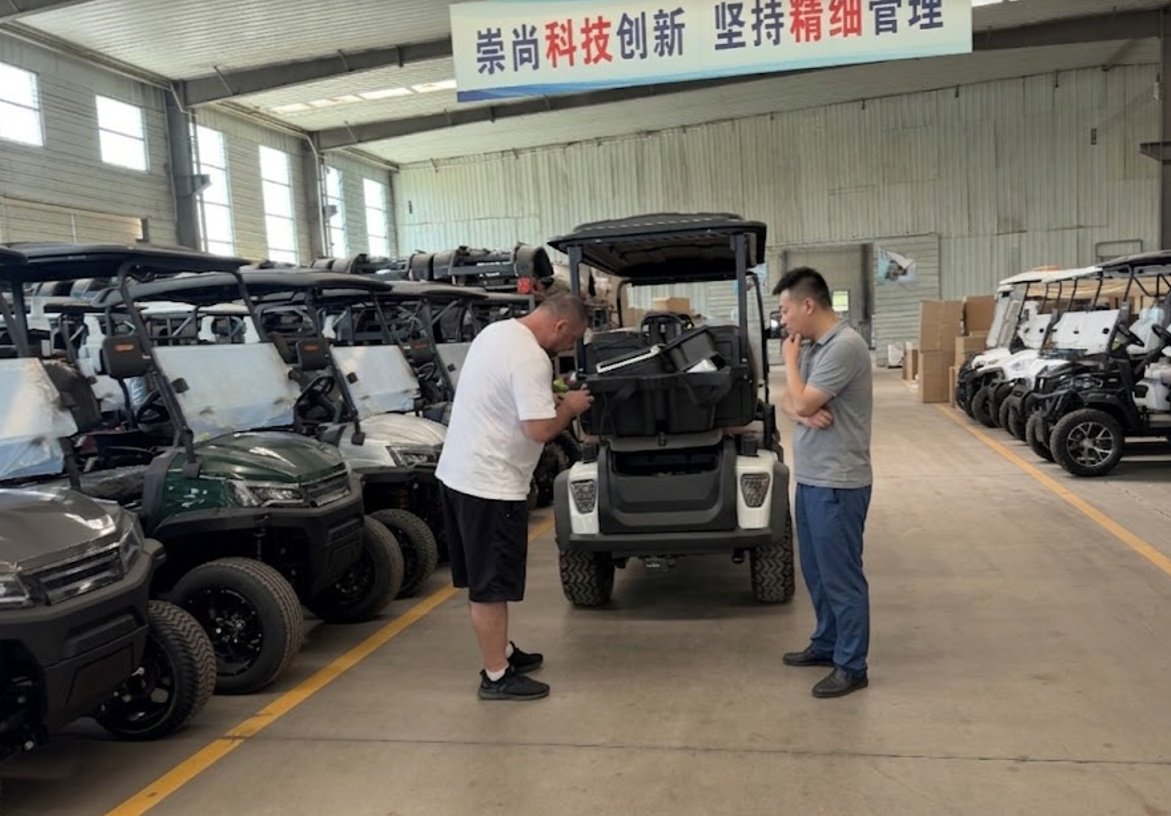
Low-Speed Vehicles (LSVs) and street-legal golf carts are rapidly replacing the second family car in North America because they offer a drastically lower Total Cost of Ownership (TCO), utilize zero-maintenance LFP batteries, and are increasingly legalized for public road use. This structural shift from "golf course exclusive" to "daily community transport" is driving the North American LSV market from $3.5 billion in 2024 to an estimated $9–$12 billion by 2030 (a 7%–12% CAGR).
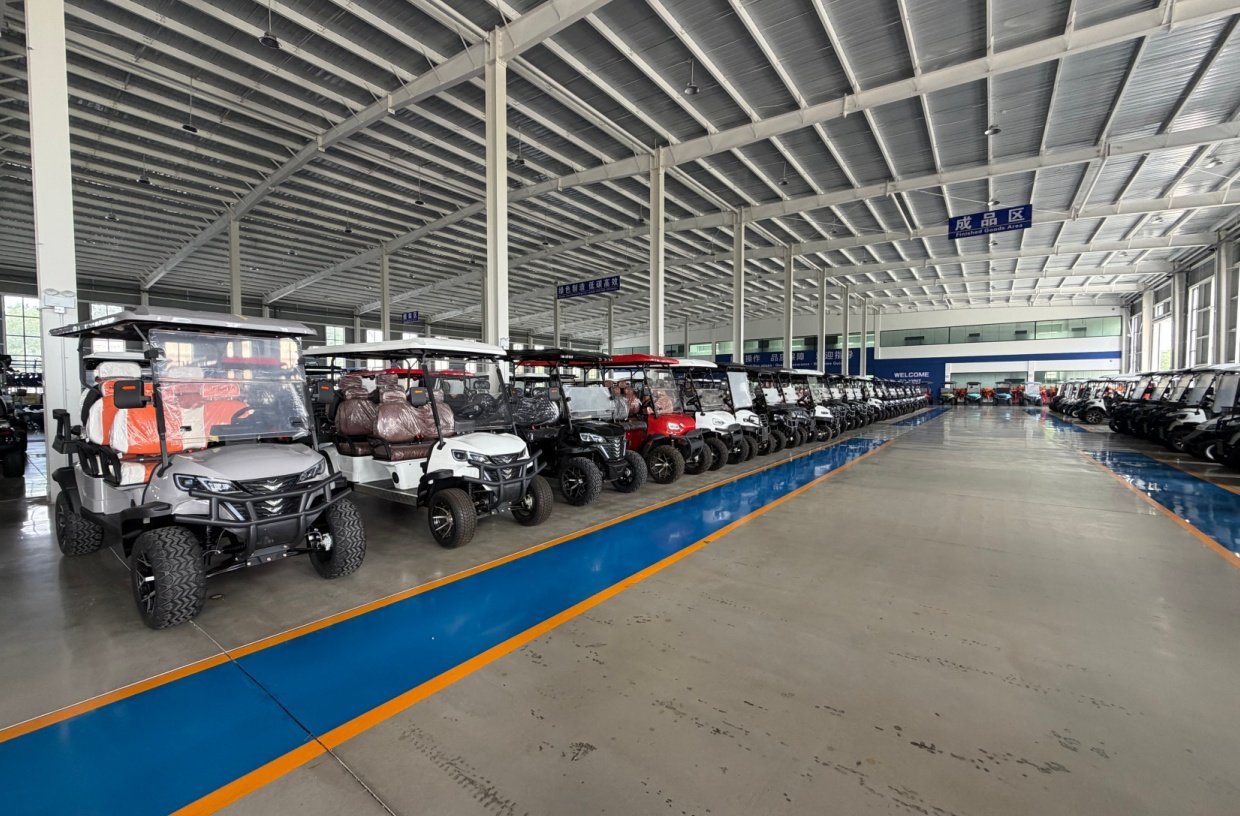
According to recent data from the U.S. Department of Energy (DOE), 37% of micro-mobility trips now directly replace journeys that previously required a traditional automobile. This transition is fueled by three factual market changes:
Total Cost of Ownership (TCO) Advantage: A high-specification LSV lands between $10,000 and $20,000, significantly lower than a traditional car. Furthermore, electric LSVs eliminate complex drivetrain maintenance and oil changes, while home-grid charging reduces energy costs to a fraction of gasoline prices.
Lithium Iron Phosphate (LFP) Technology: The market has abandoned short-lived, high-maintenance lead-acid batteries. Modern LFP batteries provide extended lifecycles, zero watering maintenance, lighter curb weight, and ranges of 80–100 miles (130–160 km) per charge—perfectly covering the daily community radius.
Expansion of Street-Legal Regulations: Municipalities and states (such as Florida and Arizona) are actively amending local laws to allow LSVs with maximum speeds of 25–35 mph to operate legally on public roads with lower speed limits. This expands their utility far beyond gated communities.
For families and communities, the financial logic of adopting an LSV for short-distance travel is undeniable.
| Metric | Traditional Internal Combustion Car | Electric LSV (LFP Battery) |
| Initial Purchase Price | $25,000 - $40,000+ | $10,000 - $20,000 |
| Routine Maintenance | High (Oil changes, transmission, brakes). | Minimal (No engine maintenance, long-lasting LFP). |
| Energy Cost (Per Mile) | High (Gasoline dependency). | Ultra-Low (Standard residential grid charging). |
| Primary Use Case | Highway and long-distance travel. | School drop-offs, groceries, and local community transit. |
Consumer expectations have shifted entirely away from "golf sports" aesthetics toward passenger-car-level specifications. To capture the modern family demographic, B2B distributors must stock vehicles with the following attributes:
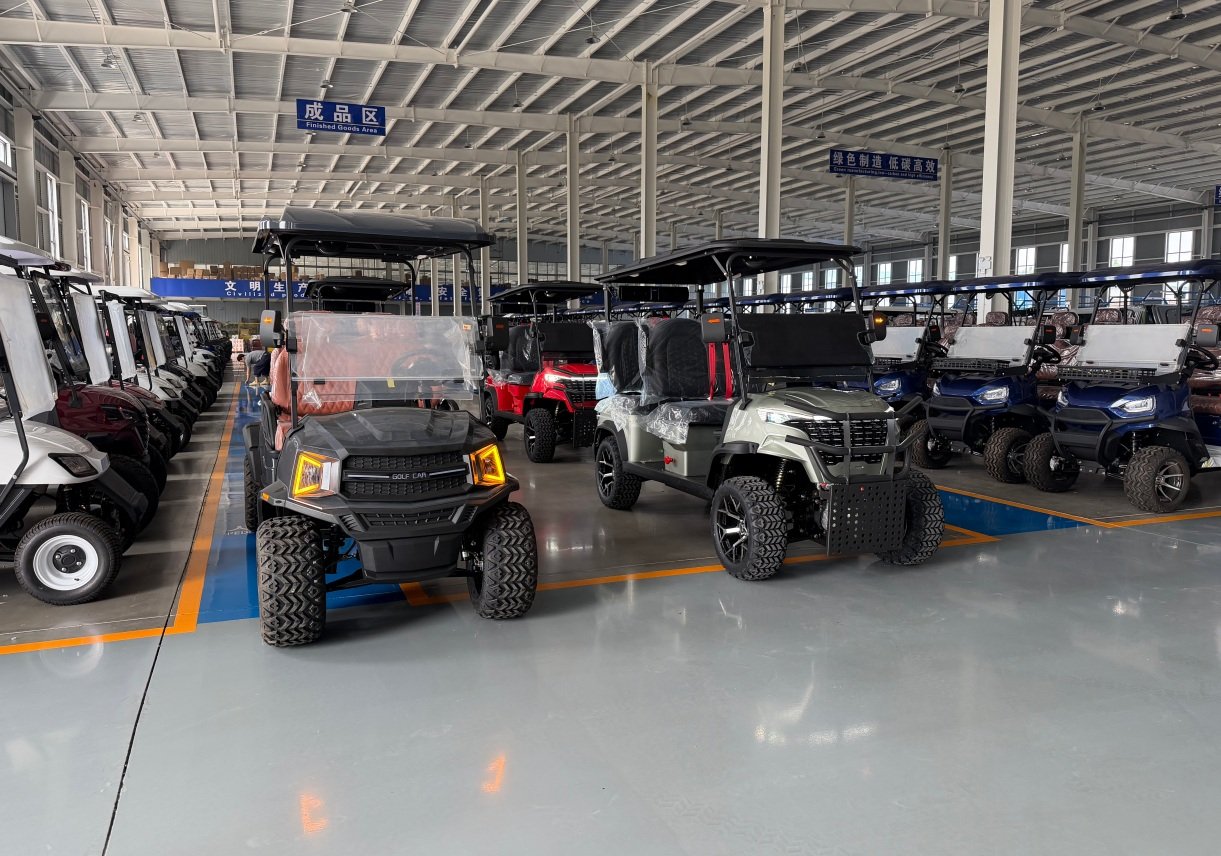
DOT Street-Legal Safety Kits: Vehicles must be equipped with Department of Transportation (DOT) compliant windshields, 3-point seatbelts, rearview mirrors, turn signals, brake lights, and backup cameras to meet local street-legal regulations.
High-Capacity Seating & Extended Wheelbases: 4-seat and 6-seat models are experiencing the fastest growth (approaching a 4% CAGR by 2030). These extended frames are required for family social transport and grocery logistics.
Advanced Chassis & Suspension: To handle heavier passenger loads and mixed terrains (such as gravel or grass), consumers demand independent suspension systems, lifted frames, and all-terrain tires.
Automotive-Grade Comfort: Basic carts are obsolete. Market demand now dictates the inclusion of smart central screens, Bluetooth audio, LED ambient lighting, and, for premium segments, fully enclosed cabins with HVAC (Heating, Ventilation, and Air Conditioning) systems.
Q: Can any golf cart be driven on public roads in North America?
A: No. A vehicle must be classified as an LSV and equipped with specific safety features (like DOT windshields, seatbelts, and lights) to comply with local and state street-legal regulations.
Q: How far can an LFP-powered LSV travel on a single charge?
A: A commercial-grade LFP battery system typically provides a range of 80 to 100 miles (approx. 130–160 km) on a single charge, which is more than sufficient for multiple days of community micro-mobility.
Q: Are LSVs only popular in retirement communities?
A: Not anymore. Due to rising environmental awareness and the sheer efficiency of micro-mobility, young families and mixed-use residential developments are now the strongest growth engines for the LSV market.
--------------------------------------------------
KELDI Golf Cart & Sightseeing Buggy | Source Manufacturer
—— Delivering High-Profit, Ultra-Stable Electric Transport Solutions Globally
Skip the middleman markups and unreliable builds. Backed by massive source-factory manufacturing, Keldi provides comprehensive fleet solutions—from heavy-duty anti-corrosion engineering and rapid delivery to lifetime spare parts supply—maximizing your ROI and ensuring seamless operations.
📧 Get Direct Factory Quotes: info@keldigolfcart.com
🌐 Explore Factory Capabilities: www.keldigolfcart.com
📞 WhatsApp / WeChat: +86 15068872777

Built to Mod, Born to Profit.
The ultimate platform for custom golf cart professionals.
Shandong Dezhou
+86 15068872777
info@keldigolfcart.com
Whatsapp:

© KELDI2026.All right reserved.Powered by KELDI
China HQ: Shandong, Dezhou
Whatsapp:+86 +86 15068872777