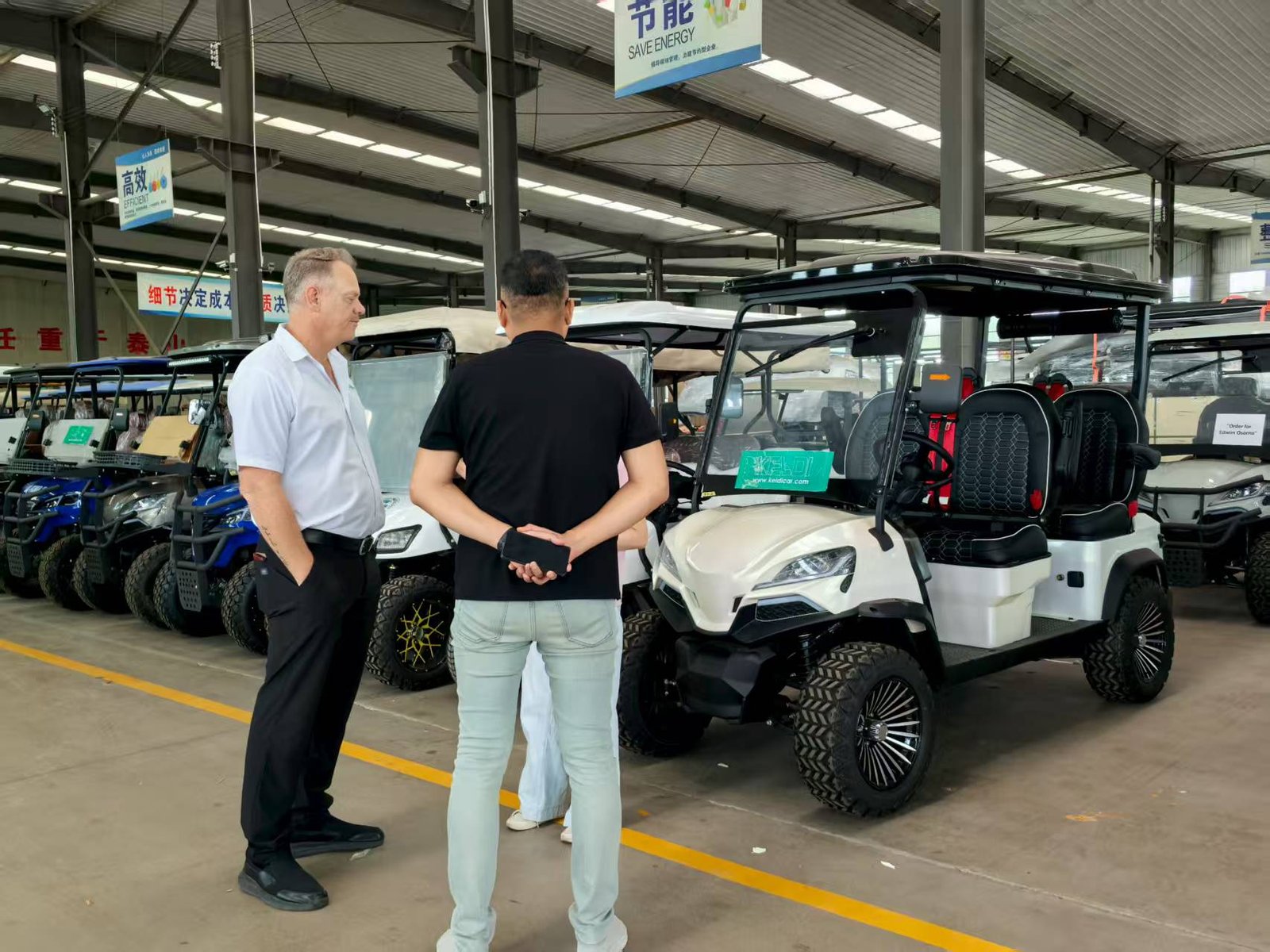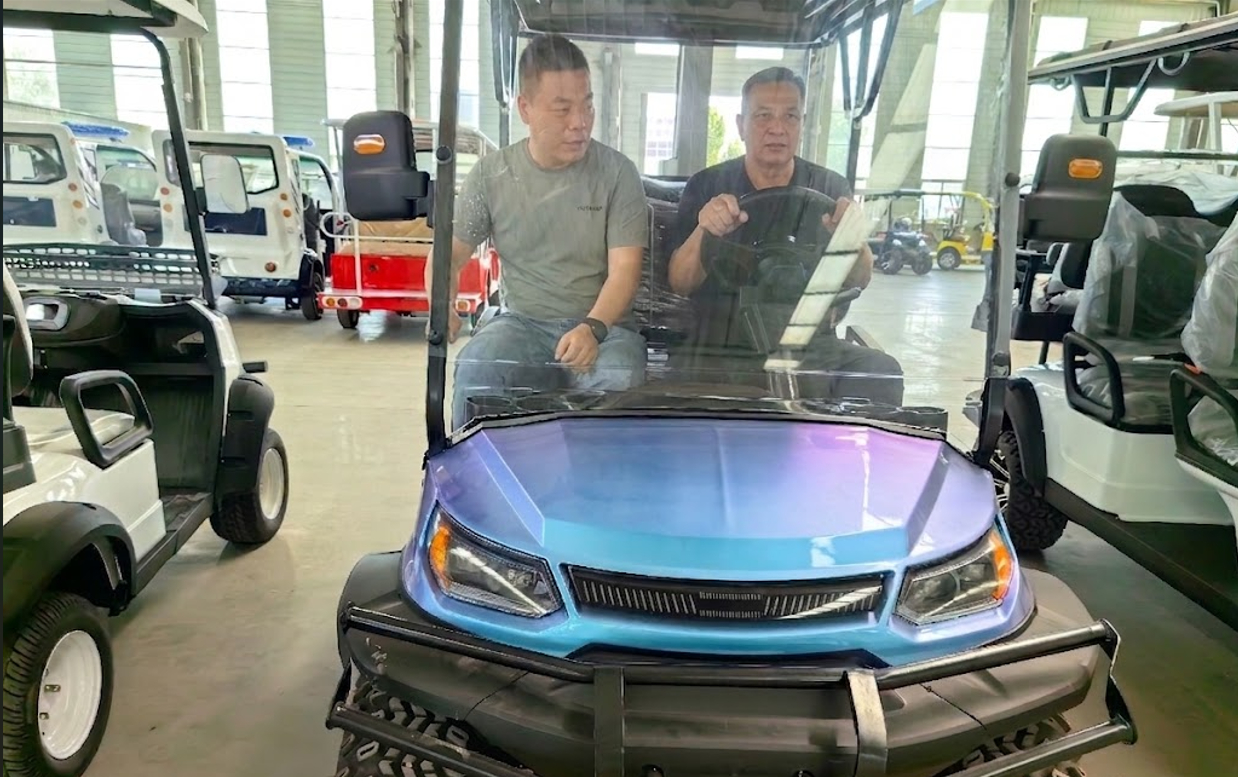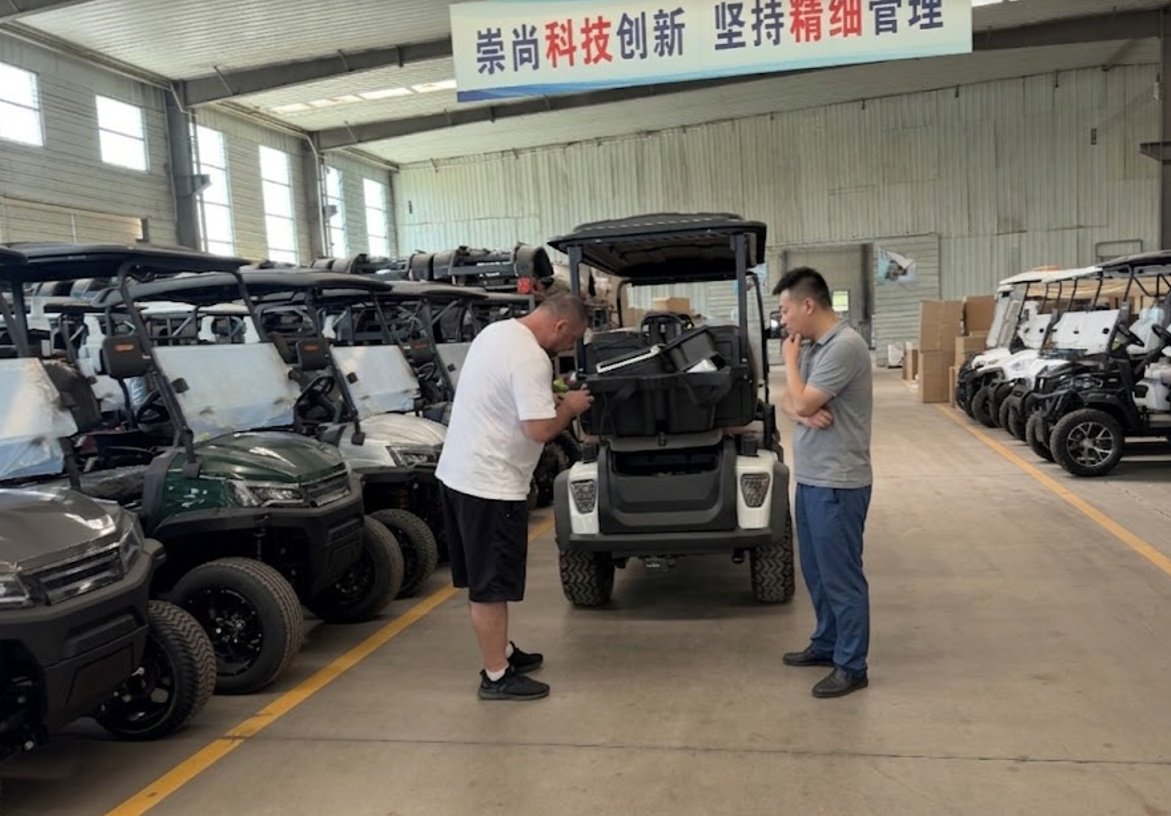
Commercial fleet operators running transportation networks in mountain resorts, steep-gradient golf courses, and hilly holiday villages face a costly technical failure: frequent motor burnout. When traditional low-cost utility vehicles are subjected to continuous incline climbing while carrying full passenger loads, their propulsion systems fail at a critical rate. Solving this operational bottleneck requires moving away from legacy direct-current (DC) systems and implementing advanced, high-torque alternating-current (AC) induction or permanent magnet powertrain engineering.
The primary reason standard utility vehicles fail on hilly terrains boils down to thermal management and torque-speed curves.
Legacy DC motors rely on mechanical brushes and commutators to transfer electrical current. When a vehicle climbs a steep incline under a full passenger load, it demands maximum torque at ultra-low speeds. In a DC configuration, this operational state forces massive electrical currents through the mechanical brushes, generating extreme friction and rapid heat accumulation. Because these brushes are enclosed inside the motor housing, the heat cannot dissipate efficiently, leading to melted armature windings, commutator warping, and total motor failure.

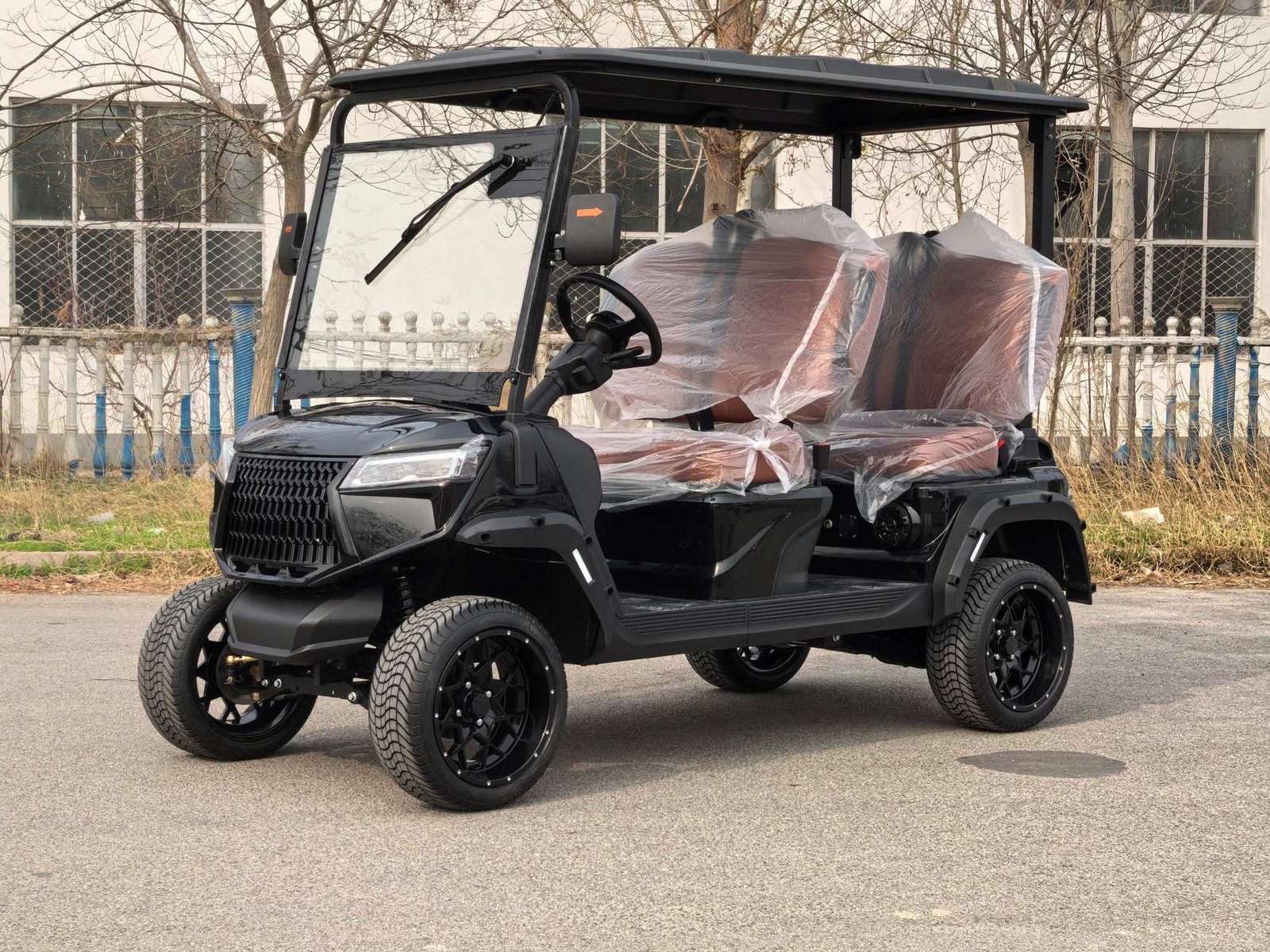
To eliminate this engineering vulnerability, Keldi constructs its mountain-grade fleets on a heavy-duty, reinforced steel chassis integrated with a brush-free, high-torque AC motor system. By removing mechanical wear points, the thermal energy is localized primarily on the outer stator windings, allowing the motor to run significantly cooler and completely eliminating the root cause of standard burnouts.
Switching to an engineered AC powertrain changes how a vehicle manages electrical efficiency and hill-holding capacity.
Brushless Thermal Control: Because Keldi AC motors do not contain carbon brushes, there is no internal friction-induced sparking or localized overheating. The cooling fins on the exterior alloy housing dissipate heat rapidly during long, continuous climbs.
Dynamic Torque Vectoring via Smart Inverters: Our AC powertrains are governed by advanced digital controllers. The system dynamically monitors the rotor speed and adjusts the frequency of the alternating current. If the vehicle hits a 25% gradient, the controller automatically spikes the torque output without causing an uncontrolled amperage surge, protecting the internal electronics.
Electronic Braking and Automatic Hill-Hold: When stopping on a steep resort path, traditional vehicles rely purely on mechanical brakes, risking vehicle roll-back. Keldi's AC system provides automatic electronic hill-holding, preventing dangerous drift and recharging the battery pack via regenerative braking during descent.
For resort fleet procurement managers, evaluating the engineering differences on paper makes the transition path clear:
| Engineering Parameter | Standard Legacy DC Motor | Keldi High-Torque AC Motor System |
| Mechanical Wear Components | Carbon brushes, mechanical commutator (High failure). | Brushless solid-state rotor (Zero wear maintenance). |
| Thermal Limit on 20%+ Inclines | Rapid overheating within 5–10 minutes of continuous load. | Continuous thermal equilibrium via outer casing dissipation. |
| Torque Efficiency at Low Speed | Poor (Requires high current, wastes battery power). | Maximum torque output achieved instantly from 0 RPM. |
| Safety Incline Management | Manual mechanical brake holding required (Roll-back risk). | Automotive-grade electronic hill-hold & regenerative deceleration. |
Q: Does a high-torque AC motor drain the battery faster on mountain paths?
A: On the contrary, AC motors are up to 20% more energy-efficient than DC motors. Additionally, during downhill segments, the AC system converts kinetic energy back into electricity, feeding power into the battery through regenerative braking.
Q: Can these vehicles handle unpaved, rugged resort trails safely?
A: Yes. Vehicles configured with Keldi's high-torque AC system feature specialized lifted chassis, independent front suspensions, and heavy-duty off-road tires designed to maintain strict traction over gravel, mud, and uneven grass inclines.
Q: What maintenance does an AC motor require compared to an older DC model?
A: Virtually none. Since there are no carbon brushes to inspect, clean, or replace, the motor unit itself is completely sealed and maintenance-free, drastically lowering your long-term fleet operational costs.
Investing in cheap, low-spec utility fleets for hilly terrains results in compounding maintenance invoices and operational downtime. By deploying Keldi's high-torque AC powertrain architecture, your resort secures a reliable, safe, and highly efficient transport network engineered to conquer the demanding geography of your property.
--------------------------------------------------
KELDI Golf Cart & Sightseeing Buggy | Source Manufacturer
—— Delivering High-Profit, Ultra-Stable Electric Transport Solutions Globally
Skip the middleman markups and unreliable builds. Backed by massive source-factory manufacturing, Keldi provides comprehensive fleet solutions—from heavy-duty anti-corrosion engineering and rapid delivery to lifetime spare parts supply—maximizing your ROI and ensuring seamless operations.
📧 Get Direct Factory Quotes: info@keldigolfcart.com
🌐 Explore Factory Capabilities: www.keldigolfcart.com
📞 WhatsApp / WeChat: +86 15068872777

Built to Mod, Born to Profit.
The ultimate platform for custom golf cart professionals.
Shandong Dezhou
+86 15068872777
info@keldigolfcart.com
Whatsapp:

© KELDI2026.All right reserved.Powered by KELDI
China HQ: Shandong, Dezhou
Whatsapp:+86 +86 15068872777